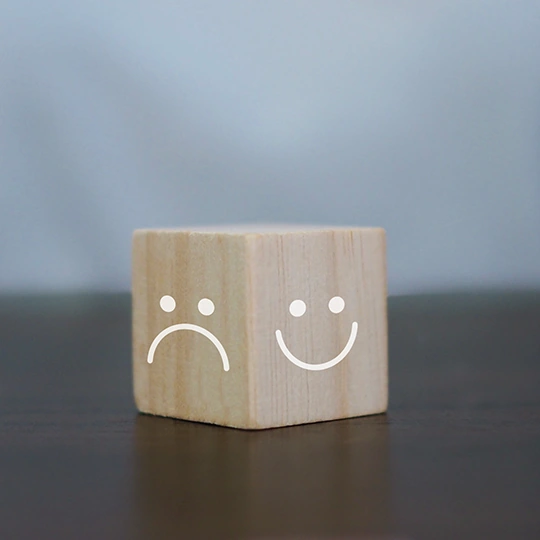
ويصعب التمييز بين حالات اضطراب ثنائي القطب لدى المراهقين أحياناً وقد يشكل ذلك تحدياً خاصاً، وذلك بسبب تشابه أعراضه مع التغييرات المزاجية الطبيعية والسلوكية في مرحلة المراهقة، أو تداخلها مع أعراض اضطرابات نفسية أخرى.
01
عيادة كمالي تُقدم الدعم للبالغين ويشمل ذلك الأعراض التالية:
نوبات وفترات ارتفاع المزاج: فترات تستمر أياماً أو أكثر وتتميز بشدة الانفعال للحالة والمزاج المرتفع، وتكون مصحوبة بفرط في الطاقة.
تراجع ملحوظ في النوم: إكتفاء بساعات نوم قليلة جداً دون شعور بالإرهاق.
تقلبات مزاجية حادة مثل: فترات من الحزن أو الشعور باليأس، وبين فترات من نشاط وحيوية غير معتادة.
سلوكيات اندفاعية ومتهورة: مثل المخاطرة والقيام بتصرفات غير محسوبة خلال فترات ارتفاع الطاقة لدى الحالة.
تسارع في الأفكار والتحدث بسرعة واندفاع بشكل غير معتاد ويصعب متابعته.
ارتفاع غير واقعي في مستوى الثقة بالنفس وتقدير الذات، بصورة مختلفة ومنفصلة عن الواقع.
التأثير في الحياة اليومية مثل: تغييرات مزاجية حادة تؤثر على سلباً على الدراسة أو الصداقة او العلاقات الاجتماعية والاسرية.
لماذا تختارنا؟
خبرة متخصصة في الحالات المعقدة: يمتلك الأطباء النفسيون الاستشاريون في عيادة كمالي خبرة واسعة في التعامل مع التحديات التشخيصية والعلاجية لدى المراهقين المرتبطة في حالة اضطراب ثنائي القطب.
إشراف دقيق للأدوية: إذا تطلبت الحالة أدوية علاجية مثبتة للمزاج، يتم وصفها من الطبيب النفسي الاستشاري المختص، وتتم متابعة مستوى الفعالية والتأثير بشكل دقيق ومنتظم.
رعاية متكاملة تجمع بين الطب النفسي وعلم النفس: يعمل فريق الطب النفسي وعلم النفس معاً لبناء رحلة علاجية تشمل العلاج العلاج المعرفي السلوكي، المصمم ليتناسب مع احتياجات الحالات المصابة باضطراب ثنائي القطب.
دعم الأسرة: تثقيف نفسي ودعم لمساعدة أفراد الأسرة على فهم طبيعة حالة اضطراب ثنائي القطب، واكتشاف العلامات المبكرة للتقلبات، ومحاولة توفير بيئة منزلية داعمة لاستقرار المزاج بشكل أفضل للحالة.
الوقاية طويلة المدى من الانتكاس: نقوم بمتابعة التغيرات المبكرة في المزاج والسلوك، ما يساعد على التدخل في الوقت المناسب قبل تطور الأعراض إلى نوبة أكثر حدة وصعوبة.
التنسيق مع المدرسة: عند الحاجة، يمكننا التعاون مع المدرسة للمساعدة في توفير الدعم المناسب للمراهق وضمان تلبية احتياجاته في البيئة التعليمية.
يُعد اضطراب ثنائي القطب عموماً حالة طويلة الأمد. ومع ذلك، يمكن للكثير من الأشخاص، مع العلاج المناسب والدعم المستمر والمتابعة المنتظمة، إدارة الأعراض والعيش حياة مستقرة ومرضية ومنتجة. هل يمكن الخلط بين اضطراب ثنائي القطب واضطراب فرط الحركة وتشتت الانتباه (ADHD) أو السلوك الطبيعي لدى المراهقين؟ نعم. قد تتداخل بعض أعراض اضطراب ثنائي القطب مع أعراض اضطراب فرط الحركة وتشتت الانتباه (ADHD) أو السلوك المعتاد في مرحلة المراهقة أو بعض الاضطرابات النفسية الأخرى. لذلك، ينظر الأطباء النفسيون الاستشاريون لدينا إلى الصورة الكاملة للأعراض، بما في ذلك كيفية تغير المزاج والطاقة والنوم والسلوك والأداء اليومي بمرور الوقت، للمساعدة في الوصول إلى تشخيص دقيق.