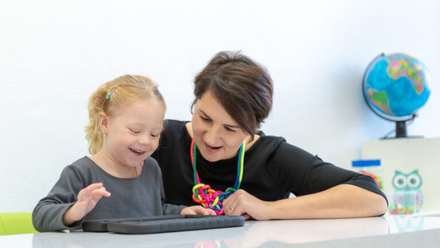
Social skills are critical for personal and professional success, and developing these skills can be particularly challenging but highly rewarding for children on the spectrum. Social skills encompass various behaviors, including communication, cooperation, empathy, and conflict resolution. Due to differences in social perception and communication, these skills can be more challenging to acquire for children with autism. However, with the proper support and strategies, significant progress can be achieved.
Participating in group activities designed to enhance social interaction can be a powerful approach. This article explores practical strategies for developing social skills in a group setting and highlights the benefits for children with autism.
Strategies for Developing Social Skills in a Group
1. Role-Playing:
Based on the Social Learning theory, learning occurs through observation, imitation, and modeling. The theory considers factors such as attention, motivation, attitudes, and emotions. Role play is the practical application of the concepts outlined in the social learning theory. It allows children to practice real-life scenarios in a safe and supportive setting, helping them learn to recognize and respond to various social cues, such as body language, tone of voice, and facial expressions.
2. Peer-Mediated Interventions:
This strategy involves including neurotypical peers in social skills groups to help improve social skills. These peers can model appropriate social behavior and provide natural opportunities for social interaction, helping children with autism feel more confident and motivated to engage with others.
3. Using Visual Supports:
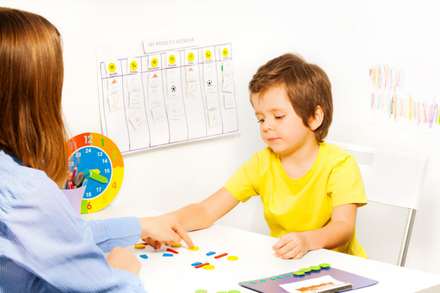
Visual supports, such as social stories, cue cards, and visual schedules, help autistic children understand social expectations and improve their ability to navigate social interactions. Social stories focus on social scenarios children may encounter, making them relatable and easy to follow.
4. Games and Group Activities:
Cooperative games and group activities encourage teamwork and communication. These activities focus on collective success rather than individual victory, making them ideal for promoting social interaction and collaboration.
5. Mindfulness and Emotion Regulation Techniques:
Teaching mindfulness and strategies for emotion regulation can help children with autism manage anxiety and stress in social situations, leading to more positive interactions.
Benefits of Group-Based Social Skills Development
1. Improved Communication:
Regular practice in a group setting helps enhance verbal and non-verbal communication skills, making it easier for children with autism to express themselves and understand others.
2. Increased Confidence:
Success in social interactions within the group can boost self-esteem and confidence, encouraging individuals to engage more in social activities outside the group.
3. Building Friendships:
Social skills groups provide a platform for building meaningful relationships. These friendships can extend beyond the group and offer ongoing social support.
4. Enhanced Empathy and Understanding:
Interacting with others in a group setting fosters empathy and understanding as individuals learn to recognize and respond to their peers’ emotions and perspectives.
5. Real-World Application:
Group-based programs are designed to help children generalize the social skills they learn across different contexts and settings. This helps improve overall social functioning in various contexts.
6. Structured Learning Environment:
Group settings offer a structured and predictable environment, which is often beneficial for children with autism, helping reduce anxiety and providing a safe space for practice.
Conclusion
Groups led by trained professionals provide a controlled environment where children on the spectrum can practice social interactions. By utilizing targeted strategies and providing a safe environment, these groups can significantly improve communication, confidence, and overall quality of life.
Learn More About Our School Readiness Program
Our School Readiness Program addresses many of the essential social skills discussed in this article. We help children develop critical communication, cooperation, and emotional regulation skills through structured group activities, personalized support, and professional guidance. Click here to learn more.
References:
Williams White, S., Keonig, K., & Scahill, L. (2007). Social skills development in children with autism spectrum disorders: A review of the intervention research. Journal of autism and developmental disorders, 37, 1858-1868.
Wang, P., & Spillane, A. (2009). Evidence-based social skills interventions for children with autism: A meta-analysis. Education and Training in Developmental Disabilities, 318-342.
Harper, C. B., Symon, J. B., & Frea, W. D. (2008). Recess is time-in: Using peers to improve social skills of children with autism. Journal of autism and developmental disorders, 38, 815-826.
Karkhaneh, M., Clark, B., Ospina, M. B., Seida, J. C., Smith, V., & Hartling, L. (2010). Social Stories™ to improve social skills in children with autism spectrum disorder: A systematic review. Autism, 14(6), 641-662.