


Psychomotor Therapy - Camali Clinic

About Service

Making Lives Better

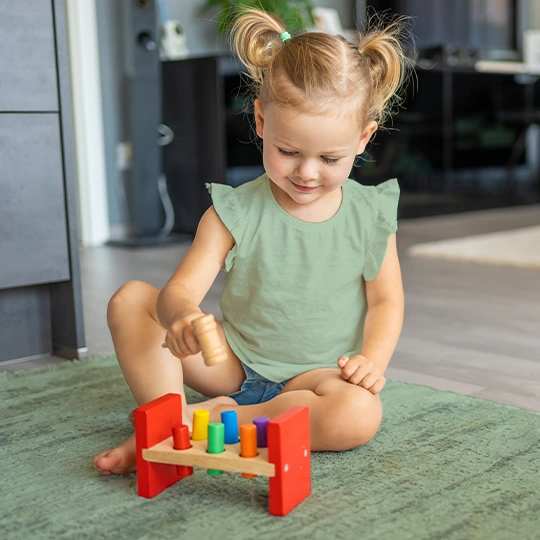
Psychomotor therapy is a body-based therapeutic approach that uses movement, physical activity, and body awareness to support emotional regulation, psychological wellbeing, and motor development. It recognises the deep connection between physical experience and mental health, using the body as a medium for therapeutic work. Psychomotor therapy is particularly effective for children who have difficulty expressing themselves verbally or who have co-existing motor and emotional difficulties.

Who needs it?

Children and adolescents who have difficulties with motor coordination, body awareness, emotional regulation, or self-expression, and who may benefit from a movement-based therapeutic approach. Often recommended alongside or following psychological therapy.
Low self-esteem
Exhibit emotional
Behavioral difficulties
Struggle with coordination

Psychomotor Therapy

1. Symptoms may include

  • Developmental Coordination Disorder (DCD / Dyspraxia)
  • Autism Spectrum Disorder – particularly difficulties with body awareness and motor imitation
  • ADHD – improving self-regulation, impulse control, and body coordination through movement
  • Trauma and anxiety – using movement and grounding techniques to support nervous system regulation
  • Children who struggle to engage with traditional talk-based therapy

  • Assessment of motor skills, body schema, and coordination through structured observation
  • Movement-based activities tailored to the child's specific goals – including relaxation, coordination exercises, and physical games with therapeutic purpose
  • Sensorimotor activities to develop body awareness and integration
  • Parent guidance on how to continue supporting the child's motor and emotional development at home

Step-by-Step Support

How we provide the service

Learn how our structured, personalized process guides each individual through assessment, planning, and tailored support to achieve meaningful results.
01
Targeted Movement & Play
Sessions use specific movement exercises, structured play, relaxation techniques, and object manipulation (balls, ropes, etc.)
02
Emotional Exploration
To help the child gain control over their actions and explore emotions safely
03
Communication Development
Improve non-verbal communication.

Specific FAQs

1.

Is psychomotor therapy the same as occupational therapy?

No, though there is some overlap. Occupational therapy focuses on the ability to perform daily tasks (ADLs, fine motor skills), while psychomotor therapy uses movement and body experience specifically as a therapeutic medium to address psychological and developmental goals.

Sessions typically take place in a room with space to move, and may involve structured games, relaxation activities, coordination exercises, and creative movement. Sessions are always purposeful and adapted to the child's age, ability, and therapeutic goals.