
Camali Clinic, child & adult mental health
Book an Appointment
Not sure where to start?

Book an initial assessment and we will guide you to the right specialist.

Book an appointment

Camali Clinic
Book an appointment
About Service

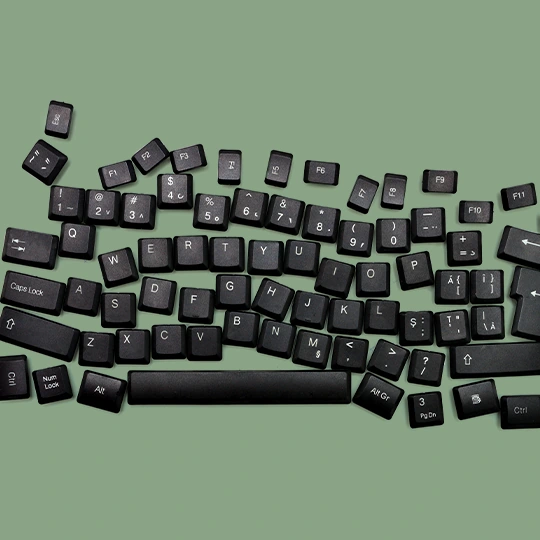
Dyslexia & Learning Disorder Support in Dubai

Making Lives Better

Dyslexia is a specific learning disorder characterised by difficulties with accurate and fluent word reading, spelling, and decoding. It is neurological in origin and is not related to intelligence, effort, or motivation.

Dyslexia and learning disorder support at Camali Clinic Dubai
Consultant-led care Dubai Healthcare City & JLT
In Detail

Dyslexia and Learning Disorder Support

At Camali Clinic, our multidisciplinary team supports children and adolescents through comprehensive psychoeducational assessment and evidence-based intervention, working closely with families and schools in Dubai to help every child reach their potential.

A session at Camali Clinic
01

Symptoms may include

  • Difficulty reading accurately, fluently, or with appropriate expression – often reading below grade level
  • Challenges with phonological awareness – difficulty hearing and manipulating sounds within words
  • Reversing or confusing letters and numbers (e.g. 'b' and 'd', '6' and '9')
  • Persistent, unusual spelling errors and difficulties with written expression
  • Slow reading speed and difficulty completing written work within expected timeframes
  • Difficulty rhyming, learning new words, or remembering sequences (days, months, times tables)
  • Secondary emotional difficulties – frustration, low self-esteem, anxiety about school, or school avoidance

02

Treatment Approaches

  • Comprehensive psychoeducational assessment to diagnose dyslexia or other specific learning disorders (e.g. dyscalculia, dysgraphia), producing a formal diagnostic report for schools and exam boards
  • Structured literacy intervention – evidence-based, multisensory reading programmes that target phonological processing, decoding, and fluency
  • School collaboration – liaising with the child's school and SENCO to implement appropriate accommodations (extended time, reader/scribe, assistive technology)
  • Parent and teacher coaching – guidance on how to support the child's learning at home and in the classroom
  • Assistive technology guidance – recommending tools and apps to support reading and writing
  • Emotional support where needed – addressing anxiety, low self-esteem, or school avoidance that often accompanies learning difficulties
Who needs it?

Who this service is for

Children and adolescents who are struggling with reading, writing, or spelling despite adequate instruction, or who show a significant gap between their intellectual ability and their academic performance. Early identification and support leads to significantly better outcomes.

Step-by-Step Support

How we provide the service

Learn how our structured, personalized process guides each individual through assessment, planning, and tailored support to achieve meaningful results.

01

Psychoeducational Assessment

A standardised psychoeducational assessment is conducted to evaluate cognitive ability, reading, spelling, writing, and phonological processing. A formal diagnostic report is provided, which can be submitted to schools and exam boards.

02

Personalised Support Plan

Based on the assessment findings, a tailored support plan is developed in collaboration with parents and school. This outlines specific interventions, recommended accommodations, and goals for improvement.

03

Ongoing Review and School Liaison

Progress is reviewed regularly. We liaise directly with schools, attend meetings where necessary, and update recommendations as the child's needs evolve.

Our Team

We are here to guide you

Meet the specialists who bring compassion, knowledge, and experience to every aspect of care.

Specific FAQs

Questions about this service

No. Dyslexia is a specific learning difficulty that is entirely unrelated to intellectual ability. Many highly intelligent individuals have dyslexia.

Formal psychoeducational assessment is typically most reliable from age 6–7 onwards. Earlier indicators can be identified from age 4–5.

Yes. Our reports are formal psychoeducational assessments conducted by licensed psychologists and are accepted by schools in Dubai and internationally, including for exam access arrangements.