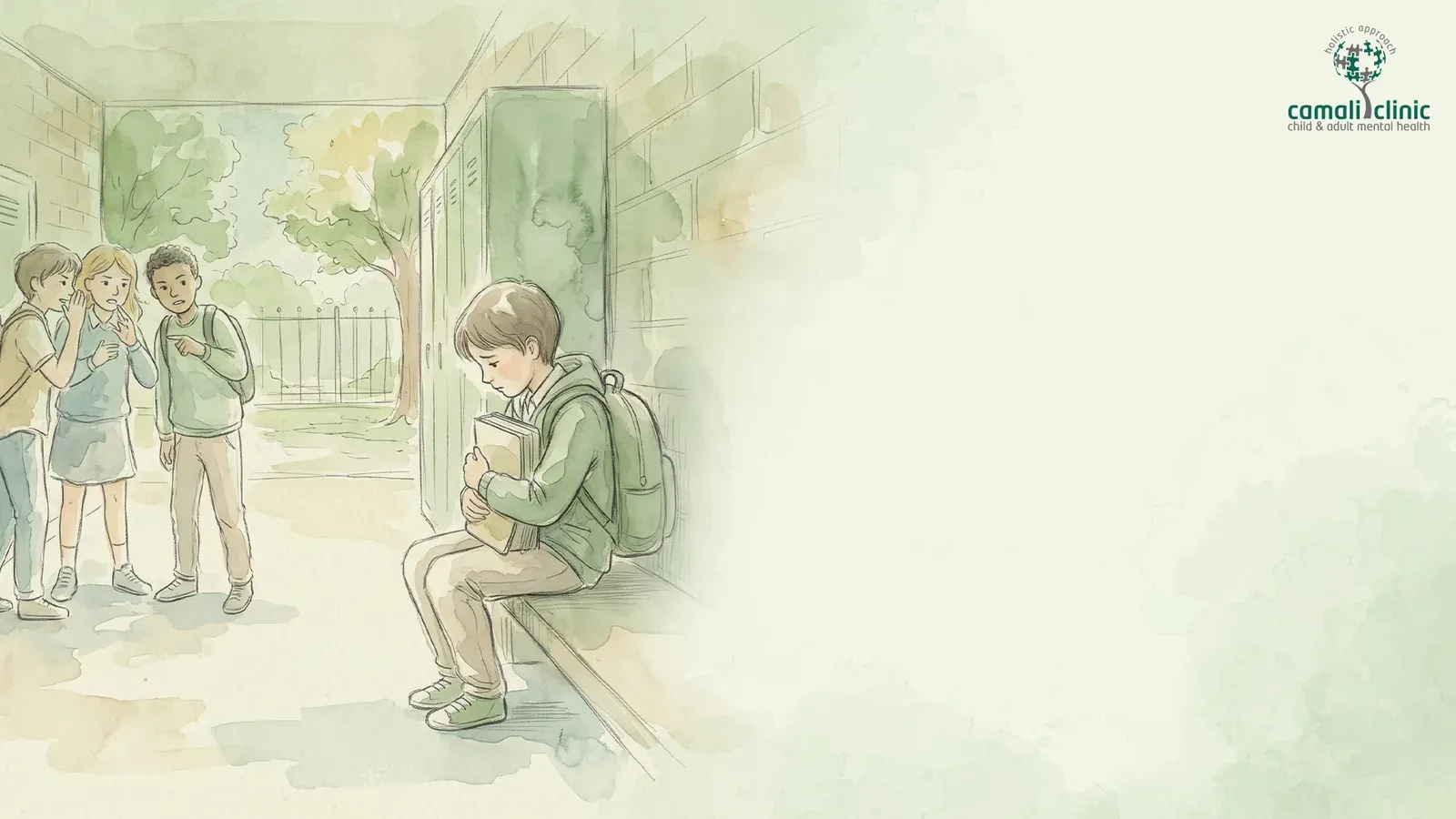

Grief is a natural human reaction to loss, but children process and express bereavement very differently from adults. Because a child’s understanding of death and loss develops alongside their cognitive and emotional development, parents and caregivers often wonder whether a child’s behaviour is a normal developmental response or a sign that professional support is needed.
Understanding how children grieve at different ages allows parents, educators and clinicians to offer tailored, compassionate care during critical moments of transition.
How Grief Changes with Age: Psychological Insights and Behavioural Changes
Early Childhood (Ages 2 to 5): Physical Expression and Repetitive Play
- Cognitive understanding: Young children see death as temporary, reversible or like sleeping. They often expect the person or pet to return.
- Behavioural expressions: Grief is often expressed through physical symptoms (stomach aches, disrupted sleep) or behavioural regression (bedwetting, increased separation anxiety, thumb-sucking).
- Emotional play: Children at this stage process big emotions through repetitive play, such as acting out the same scenes with their toys again and again, or asking the same questions about the loss.
Middle Childhood (Ages 6 to 11): Concrete Understanding and Internalised Worry
- Cognitive understanding: Children begin to grasp that death is permanent at around ages 6 to 8. However, they may still picture death as a physical being (a monster, a ghost or an illness) and wonder whether it is "catchable" or was caused by their own bad thoughts or actions, which psychologists call magical thinking.
- Behavioural expressions: School performance may decline, or emotional distress may show as sudden irritability, anger or withdrawal from friends. Anxiety about the safety of the remaining family members is common.
Adolescence (Ages 12 and Over): Identity, Existential Questions and Emotional Overload
- Cognitive understanding: Teenagers understand death as adults do, recognising that it is universal and permanent.
- Behavioural expressions: Adolescents often feel an intense inner conflict between wanting to appear independent and needing support. Grief may show as emotional volatility, social withdrawal, risk-taking behaviour or questions about life, death and meaning.
Warning Signs: When Does a Child Need Professional Support?
Emotional ups and downs are normal after a significant loss, but difficulties that linger or get worse may point to complicated grief or depression. Key warning signs include:
- Persistent regression: Behavioural or developmental regression that lasts for several months without gradual recovery.
- Severe anxiety and fear of separation: Intense panic when separated from surviving caregivers, or extreme preoccupation with illness or death.
- Somatic complaints: Recurring unexplained physical complaints (headaches, stomach pain) with no clear medical cause.
- Prolonged academic and social decline: A marked drop in school performance, refusal to attend school, or complete withdrawal from friends and hobbies.
- Persistent self-blame or guilt: Believing they caused the loss, or saying they feel unworthy.
How Camali Clinic Can Help
Navigating loss within a family requires sensitive, evidence-based care tailored to the child’s developmental stage.
At Camali Clinic, our multidisciplinary team provides structured psychological support for children, adolescents and families processing grief:
- Individual therapy: Approaches suited to the child’s age, such as expressive art therapy, play-informed interventions and Acceptance and Commitment Therapy (ACT), to help young people process grief safely.
- Parental guidance and family therapy: Giving parents concrete communication tools to support their child’s grieving process at home while keeping the whole household emotionally steady.
- Multidisciplinary coordination: Working with schools and paediatric care teams when grief significantly affects daily functioning and school attendance.
Need Guidance?
Coping with grief and loss can be hard for a child and for the whole family, especially when parents are unsure how to help or what their child is going through.
If your child or teenager is struggling to process a loss, contact us to consult our Child and Adolescent Mental Health team.
If a child talks about hurting themselves, or you think they are in danger, call 999, or 998 for an ambulance. Camali Clinic is not an emergency service; read our guidance on urgent help.
Disclaimer: The content provided in this article is for informational and educational purposes only and is not intended as medical advice, diagnosis, or treatment.