
Mental health problems are very common. The World Health Organization estimates that nearly 1 in 7 people around the world lives with a mental disorder [1]. Yet many people ignore the early signs, hoping they will pass. Often they do not, and the problem can grow quietly until it affects every part of life.
Mental health challenges can change how a person feels, thinks, behaves and even how their body feels. For example, someone who feels low for weeks may struggle to concentrate at work and find it hard to cope at home, at school or with friends.
Knowing the warning signs is the first step. This simple guide explains what to look for and what you can do next.
What Are the Warning Signs?
Mental health conditions such as depression, anxiety, bipolar disorder and schizophrenia can show up in many ways. Common signs include changes in mood, changes in thinking, unusual behaviour, sleep problems and changes in appetite. No single sign proves that someone has a mental health condition. What matters is when several signs appear together, last a while, or make daily life harder.
Mood Changes
Everyone's mood changes during the day. Mood changes become a concern when they are intense, last for days or weeks, or get in the way of work, study or relationships. In bipolar disorder, for example, a high or low mood usually lasts for days or weeks.
Frequent or intense mood changes can be a feature of several conditions, including depression, bipolar disorder, ADHD, borderline personality disorder and substance use, and a clinician can help work out the cause.
Mood changes can also have everyday causes, such as:
- Stress at home, school or work
- Side effects from medicines for a physical illness
- A big life change, such as moving to a new city, school or job
- Not getting enough sleep because of a heavy workload or difficult relationships
- Ongoing anger, worry or unresolved resentment
- Hormone changes, such as those around periods, pregnancy or menopause
Sleep Problems
Trouble falling asleep, staying asleep or getting back to sleep can be a sign that something is troubling your mind. A short rough patch is normal. If your sleep stays disturbed for weeks, it is worth paying attention to.
Negative Thinking Patterns
Constant negative thoughts can both signal and worsen a mental health problem. Thoughts such as "I am worthless," "I am a failure" or "Everyone is against me" are not facts, even though they can feel very real. Over time they can drag your mood down and may lead to risky choices.
If you ever have thoughts of ending your life, please treat it as an emergency: call 999, or 998 for an ambulance, or contact a doctor or mental health professional right away, and reach out to someone you trust. Camali Clinic is not an emergency service; read our guidance on urgent help.
Changes in Behaviour
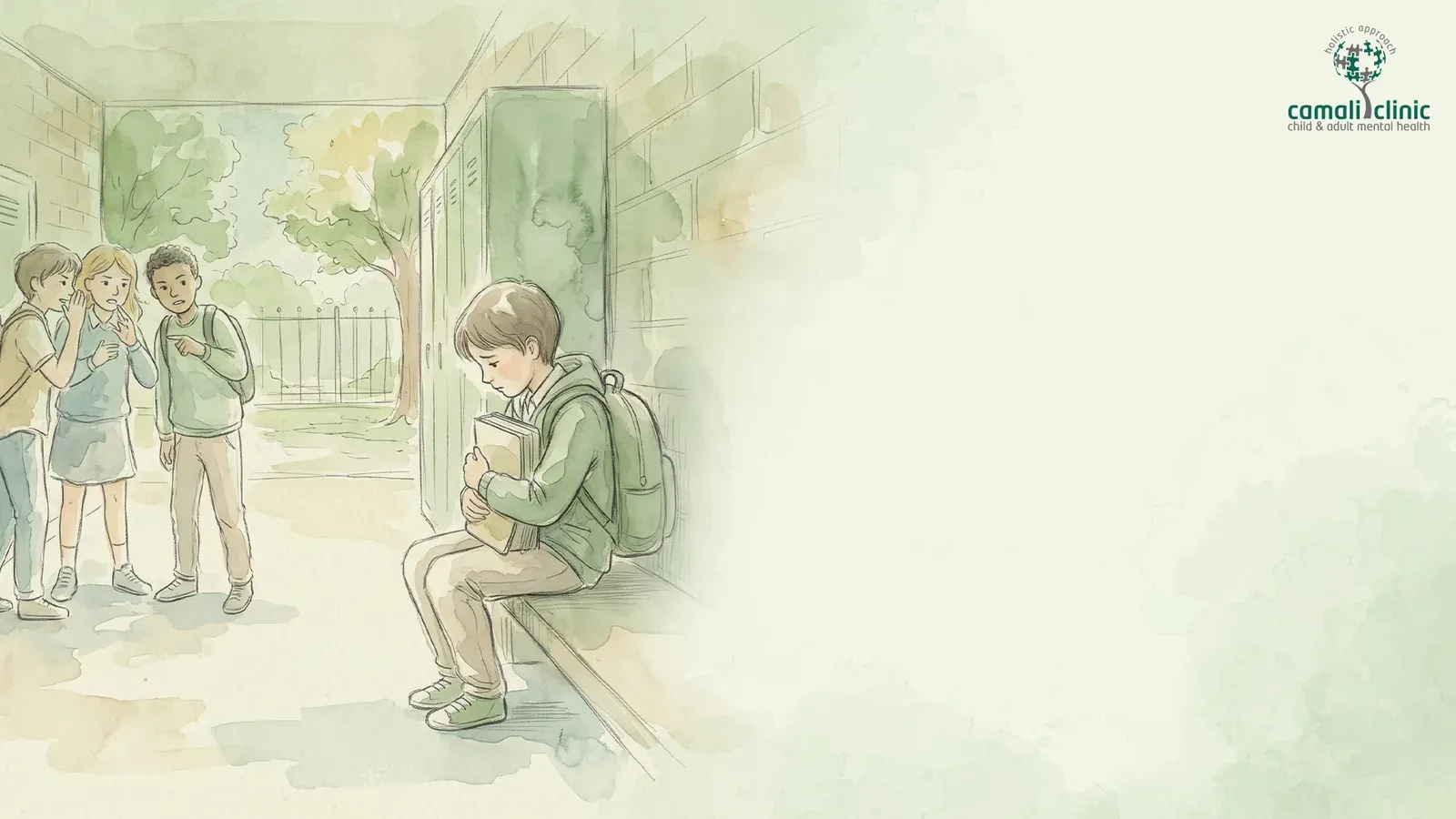
A sudden change in how someone acts can also be a warning sign. Examples include a child whose school marks suddenly drop, or an adult who loses interest in things they used to enjoy. Research shows that half of all lifetime cases of mental illness begin by age 14, so noticing changes early matters, especially in young people [2].
Other behaviour changes to watch for include:
- Avoiding friends, family or social events
- Frequent anger, outbursts or tantrums
- Feeling restless or unusually hyperactive
- Trouble managing everyday tasks
- Changes in sleep or eating habits
- Changes in sex drive
- Drinking more alcohol or using drugs
- Seeing or hearing things that are not there, or holding strong beliefs that others find unusual
- Thoughts of suicide
When several of these changes happen together, it is a good time to talk to a professional.
How Is Mental Illness Diagnosed?
Unlike many physical illnesses, mental health conditions are usually not found through a single blood test or scan. Instead, a qualified professional, such as a psychologist, psychiatrist or social worker, talks with you, asks about your symptoms and history, and may use questionnaires or other assessments [3]. They rely on established diagnostic guidelines, such as the World Health Organization's ICD-11 [1].
Once there is a clear diagnosis, your provider will work with you to build a treatment plan that suits you. Treatment may include talking therapies, medication, practical coping skills, lifestyle changes, or a combination of these [3].
What Can You Do Next?
1. Talk to a Mental Health Professional
Getting help early is one of the best things you can do. A mental health professional can listen, understand what is happening and recommend the right support. Common options include:
- Medication, when it is needed
- Talk therapy (also called psychotherapy)
- Cognitive behavioural therapy (CBT), which helps you notice and change unhelpful thoughts and habits
- Family therapy
- Group therapy
Effective treatments exist, and many people feel much better with the right care [1].
2. Make Healthy Lifestyle Changes
Small daily habits can support your treatment and your overall well-being:
- Accept your feelings. Letting yourself notice and name what you feel is a good starting point.
- Move your body. Regular exercise helps ease stress.
- Slow down. Meditation, relaxing hobbies and time outdoors can calm a busy mind.
- Stay connected. Spending time with friends and family can lift your mood.
- Keep a journal. Writing down your moods can help you spot patterns.
- Eat well and sleep well. A healthy body supports a healthy mind.
3. Make Time for Yourself
Set aside about 30 minutes each day just for you. Use it to reflect, write in a journal, read, paint, dance or meditate. This quiet time can help you think clearly and keep your mental health in check.
Final Thoughts
If you notice any of these warning signs in yourself or someone you care about, do not wait. Speak with a mental health professional. Camali Clinic offers mental health services in Dubai, with psychiatrists for both children and adults. Reaching out today is a strong first step towards feeling better.
References
- World Health Organization. Mental disorders (fact sheet). 30 September 2025. https://www.who.int/news-room/fact-sheets/detail/mental-disorders
- National Institute of Mental Health (NIMH), U.S. Department of Health and Human Services. Treatment of Children with Mental Illness: Frequently Asked Questions. NIH.
- National Institute of Mental Health (NIMH). Understanding Psychosis. https://www.nimh.nih.gov/health/publications/understanding-psychosis
Disclaimer: The content provided in this article is for informational and educational purposes only and is not intended as medical advice, diagnosis, or treatment.