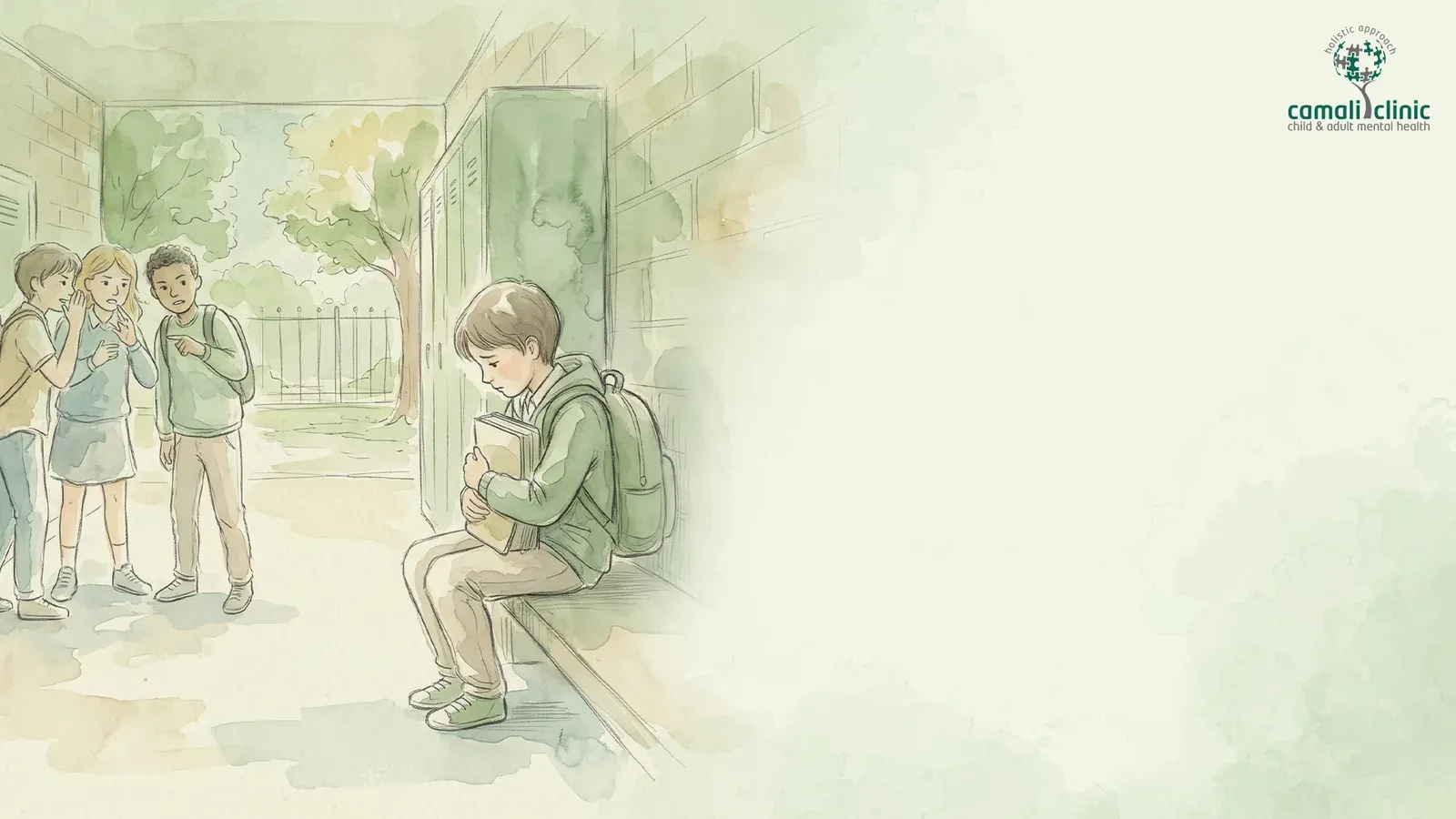

What Is ODD?
Oppositional Defiant Disorder (ODD) is a pattern of behaviour in which a child is frequently angry, irritable, argumentative or defiant towards parents, teachers and other adults in charge. It is one of the behaviour conditions first noticed in childhood, and it is usually recognised between the preschool years and the early teens.
Every child pushes back at times. Saying "no" is a normal part of growing up, especially around ages two to three and again in early adolescence, and tired, hungry or stressed children can be difficult for anyone. ODD is considered only when these behaviours are far more frequent and intense than is typical for a child's age, and when they start to affect family life, friendships and school.
The encouraging part: ODD is well understood, and there are practical, proven ways to help children and families.
Core Symptoms
Professionals look for a steady pattern lasting at least six months, usually grouped into three areas:
- Angry or irritable mood: often touchy, easily annoyed, or resentful.
- Argumentative or defiant behaviour: frequently arguing with adults, refusing requests or rules, deliberately annoying others, or blaming others for their own mistakes.
- Hurtful or revengeful behaviour: saying mean things when upset or wanting to get back at someone.
Children with ODD often don't see their behaviour as the problem. They may feel the demands placed on them are unfair. Symptoms may show up only at home at first and later appear at school or with friends. The more settings involved, the more support a child is likely to benefit from.
Only a licensed mental health professional can say whether a child has ODD. A good evaluation also looks at anything else that may be contributing, such as learning difficulties, attention challenges or worries.
Causes and Risk Factors
There is no single known cause of ODD. It appears to come from a mix of influences working together. It is not anyone's fault, and it is not a sign of "bad parenting" or a "bad child."
- Temperament: some children feel emotions strongly or find frustration hard to handle. Many parents notice a more rigid, strong-willed streak from an early age.
- Brain and biology: small differences in how the brain works may play a role.
- Home and daily life: family stress, changes or conflict, inconsistent routines, or limited supervision can make challenging behaviour more likely.
- Other needs: ADHD, learning or communication difficulties, anxiety and low mood often go hand in hand with ODD.
Because these factors can be addressed, there is plenty that can be worked on once they are understood.
Associated Risks and Long-Term Challenges
Without support, the day-to-day pattern of conflict can make some things harder: friendships, schoolwork, and relationships with parents, siblings and teachers. Many children with ODD also have ADHD, anxiety, low mood or learning difficulties, and addressing these alongside ODD often helps the behaviour settle.
For some children, behaviour challenges can grow into more serious rule-breaking patterns over time. This is one more reason families are encouraged to reach out early. Starting support early, and tailoring it to the child and family, is consistently described as one of the most helpful steps. With understanding and consistent guidance, relationships at home and at school can improve and a child's confidence can grow.
Treatment Approaches
Treatment focuses on building skills and strengthening the parent-child relationship. It usually works best when the whole family is involved, and it often runs for several months or longer.
- Parent training: a therapist teaches strategies for creating structure, noticing and rewarding positive behaviour, staying consistent, and communicating calmly. Research has found this to have the strongest evidence for children with behaviour difficulties.
- Parent-child interaction therapy (PCIT): a therapist coaches parents in real time while they play and interact with their child.
- Skills for the child: therapy can help children practice managing anger, solving problems and getting along with others.
- School involvement: working with teachers helps keep expectations consistent across settings.
- Support for related needs: ADHD, anxiety, low mood or learning difficulties are addressed alongside ODD. Medication may sometimes be used for those related conditions.
Helpful at home: Keep showing steady love and acceptance, even on hard days. Enough sleep and strong family connections also support children with behaviour challenges.
Where to start: A paediatrician can listen to your concerns and refer you to a child psychologist or child psychiatrist who has experience with behaviour concerns. You don't have to work it out alone.
At Camali Clinic in Dubai, our child psychologists and psychiatrists offer assessment and support for ODD.
References
- Mayo Clinic Staff. Oppositional defiant disorder (ODD): Symptoms and causes. Mayo Clinic.
- American Academy of Child and Adolescent Psychiatry. Children with Oppositional Defiant Disorder, Facts for Families No. 72.
- Centers for Disease Control and Prevention. Behavior or Conduct Problems in Children.
- Centers for Disease Control and Prevention. Key Findings: Treatment of Disruptive Behavior Problems, What Works? Based on Kaminski JW, Claussen AH. Evidence base update for psychosocial treatments for disruptive behaviors in children. Journal of Clinical Child & Adolescent Psychology, 2017.
Disclaimer: The content provided in this article is for informational and educational purposes only and is not intended as medical advice, diagnosis, or treatment.